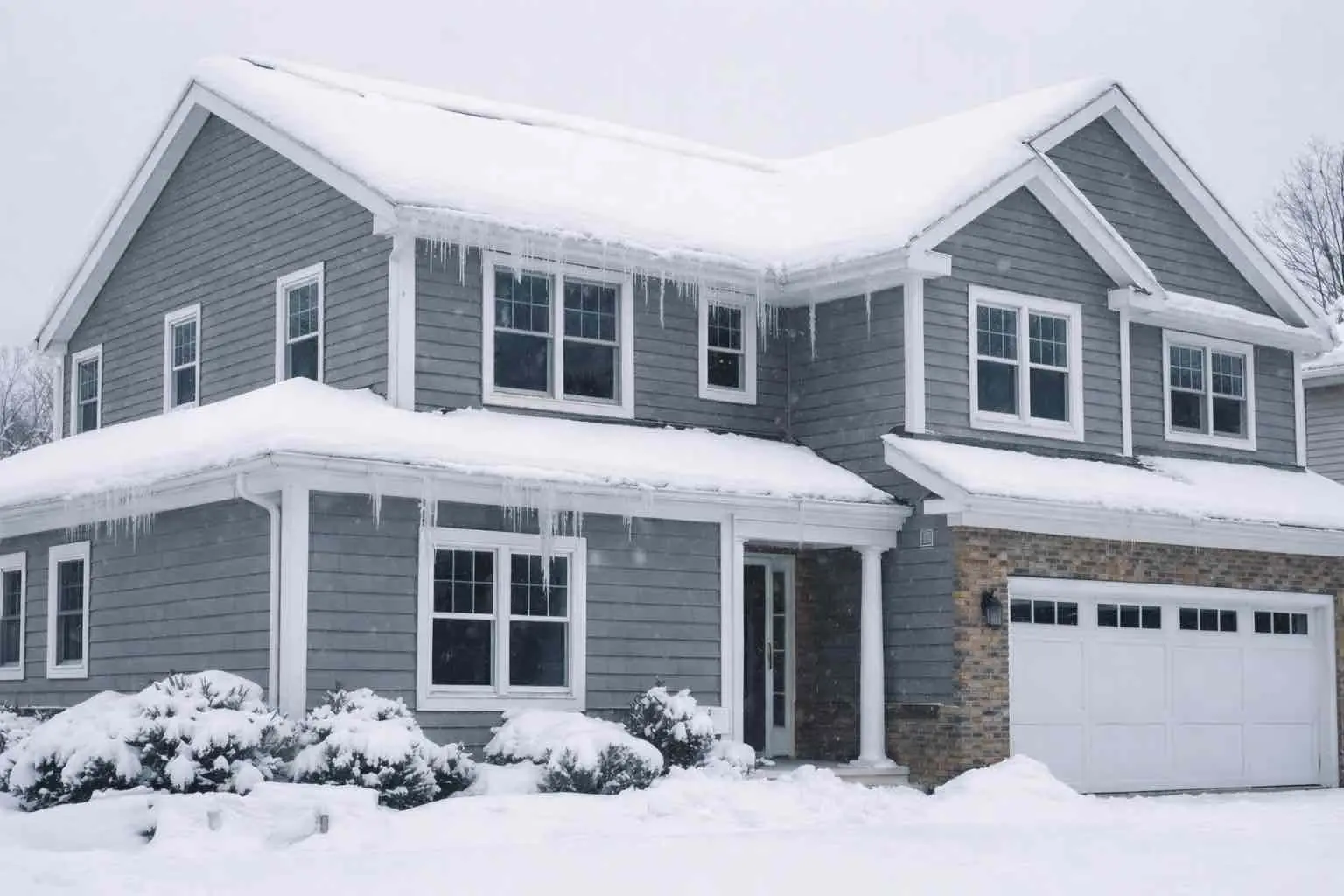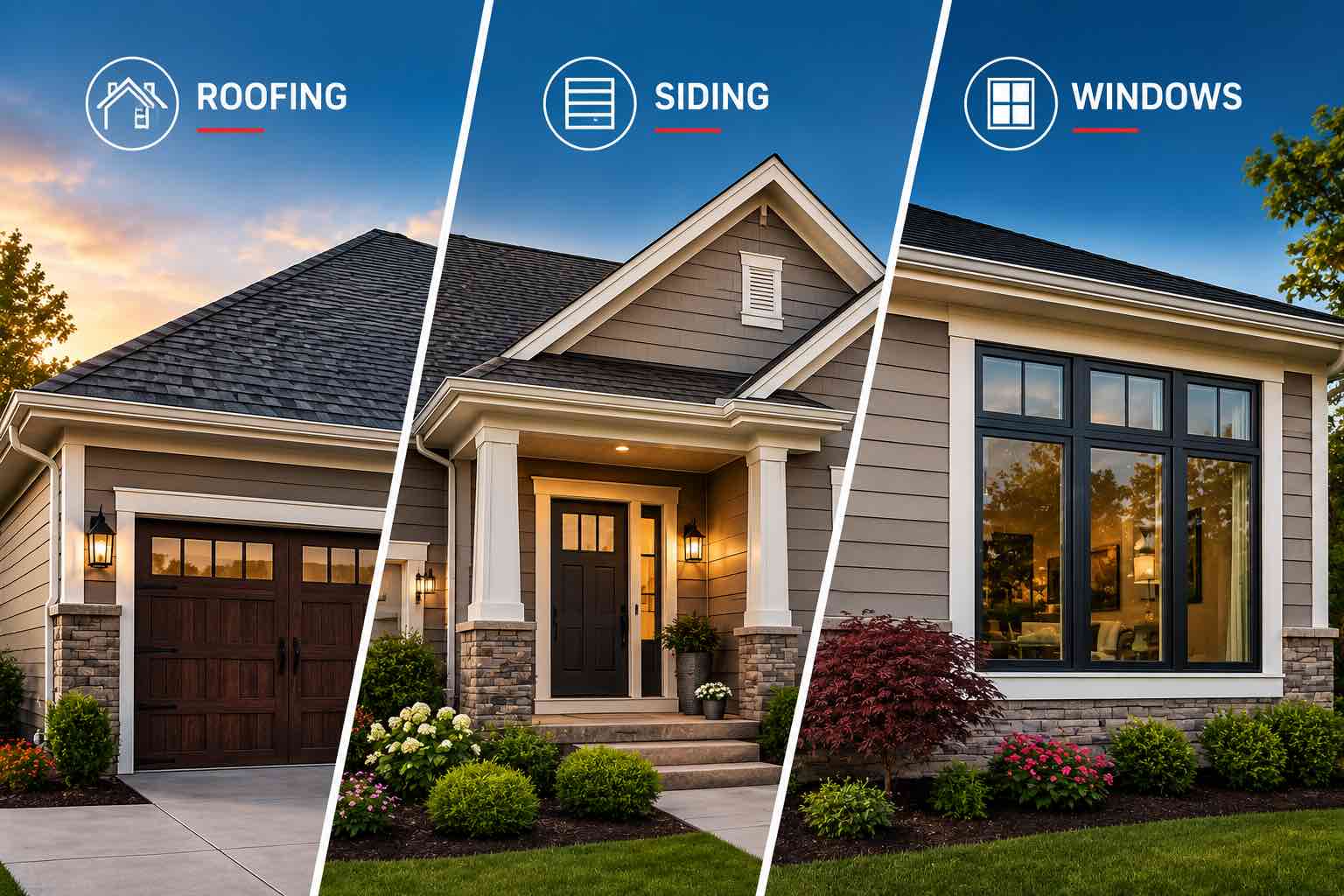
Indiana’s weather is anything but predictable. A single week can bring freezing temperatures, rain, snow, and sudden warmups — and those constant temperature swings put serious stress on your home’s exterior. Over time, that stress can impact your roof, siding, and windows in ways many homeowners don’t notice until damage appears.
Understanding how temperature changes affect these critical components can help you spot problems early and protect your home year-round.
The Impact of Expansion and Contraction
Most exterior building materials expand when temperatures rise and contract when temperatures fall. In Indiana, where freeze-thaw cycles are common, this repeated movement happens constantly throughout fall, winter, and early spring.
Over time, expansion and contraction can:
- Loosen fasteners and seals
- Create small cracks that grow larger
- Weaken joints and connections
- Reduce the lifespan of exterior materials
Even well-installed materials experience wear when exposed to frequent temperature shifts.
How Temperature Changes Affect Your Roof
Your roof takes the brunt of Indiana’s weather. During cold months, roofing materials contract, becoming more brittle. When temperatures rise — even briefly — materials expand again. This cycle can lead to cracking, curling, and loosened shingles.
Common roofing issues caused by temperature fluctuations include:
- Cracked or curled shingles from freeze-thaw stress
- Ice dams caused by uneven roof temperatures
- Flashing failures around chimneys and vents
- Moisture intrusion when small gaps widen
If a roof already has minor damage, temperature swings can accelerate deterioration quickly.
How Temperature Changes Affect Siding
Siding materials respond differently depending on what your home is clad with, but all are affected by Indiana’s seasonal shifts.
- Vinyl siding expands significantly in warmer temperatures and contracts in the cold, which can cause warping or buckling if it wasn’t installed with proper spacing.
- Wood siding absorbs moisture during temperature changes, leading to swelling, cracking, or rot over time.
- Fiber cement siding is more stable but can still develop cracks if moisture freezes within small gaps.
As siding expands and contracts, seams may open, allowing moisture and air to penetrate behind the exterior walls.
How Temperature Changes Affect Windows
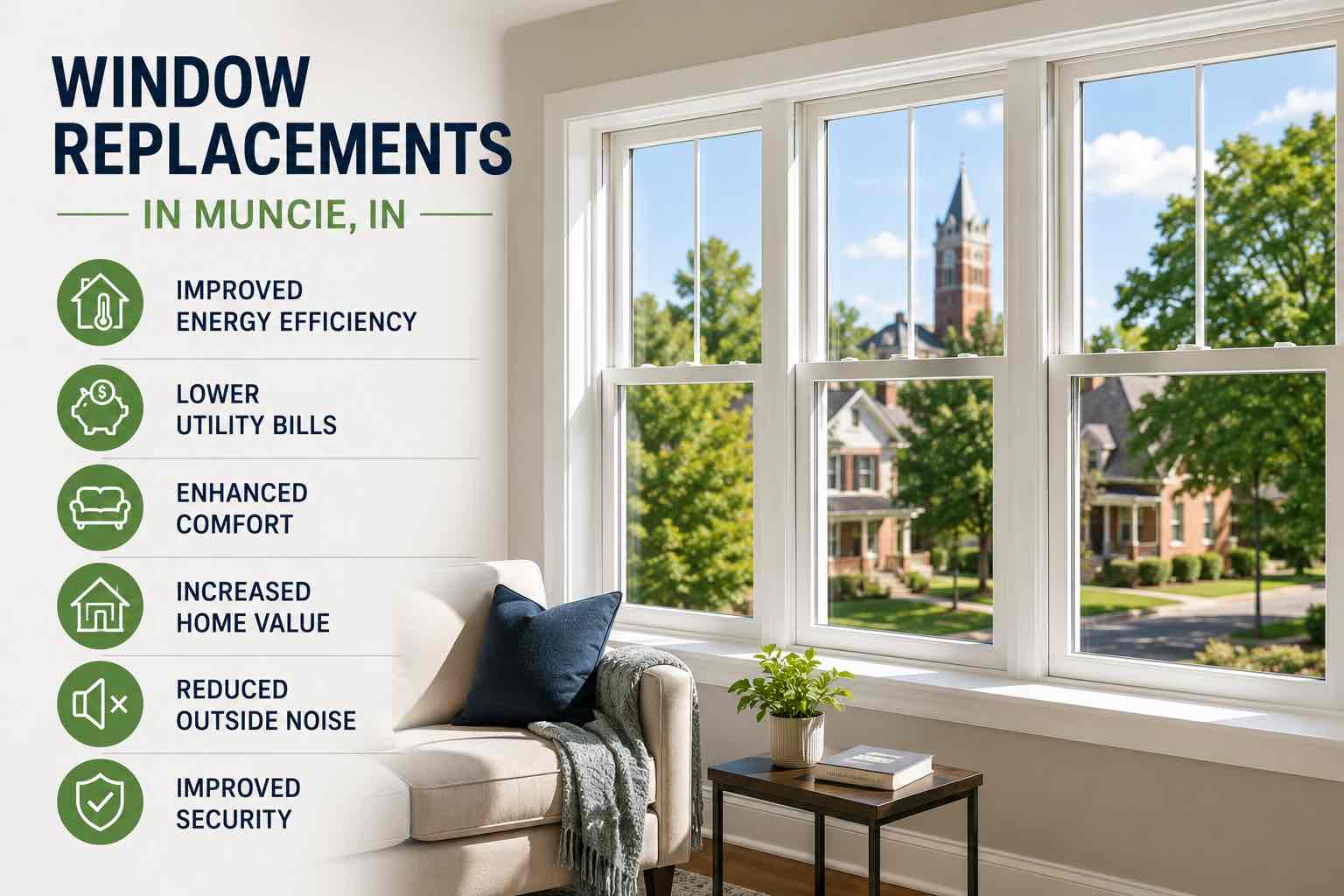
Windows are especially vulnerable because they rely on tight seals to maintain energy efficiency. Temperature fluctuations cause window frames to expand and contract, which can break down seals and compromise performance.
Signs temperature changes may be affecting your windows include:
- Drafts near window frames
- Condensation between glass panes
- Difficulty opening or closing windows
- Increased heating and cooling costs
Once seals fail, windows lose their insulating ability, making your home less comfortable and more expensive to heat or cool.
Why Moisture Makes Temperature Changes Worse
Temperature swings alone are tough on materials, but when moisture is involved, damage accelerates. Water that seeps into small cracks expands when it freezes, forcing materials apart. Over time, this leads to larger cracks, rot, and structural concerns.
Indiana’s mix of rain, snow, and freezing temperatures makes moisture management especially important for long-term exterior performance.
How to Protect Your Home From Temperature-Related Damage
While you can’t control Indiana’s weather, you can reduce its impact on your home.
- Schedule regular inspections of your roof, siding, and windows
- Address small cracks, gaps, or loose materials early
- Ensure proper attic insulation and ventilation
- Keep gutters clear to prevent moisture buildup
- Replace aging materials before they fail under stress
Preventive maintenance is far less costly than repairing damage caused by long-term exposure to temperature extremes.
Protecting Your Home Through Every Season
Indiana homes need exteriors built and maintained with temperature changes in mind. When roofing, siding, and windows work together properly, your home stays protected, energy-efficient, and comfortable year-round.